
Understand the difference between soft gel vs plastic nail tips
There’s a plethora of press-on nail options on the market. While both gel and plastic tips can create beautiful looks in their own right, the material that they’re made from plays an incredibly significant role in their durability, comfort and overall appearance and quality.
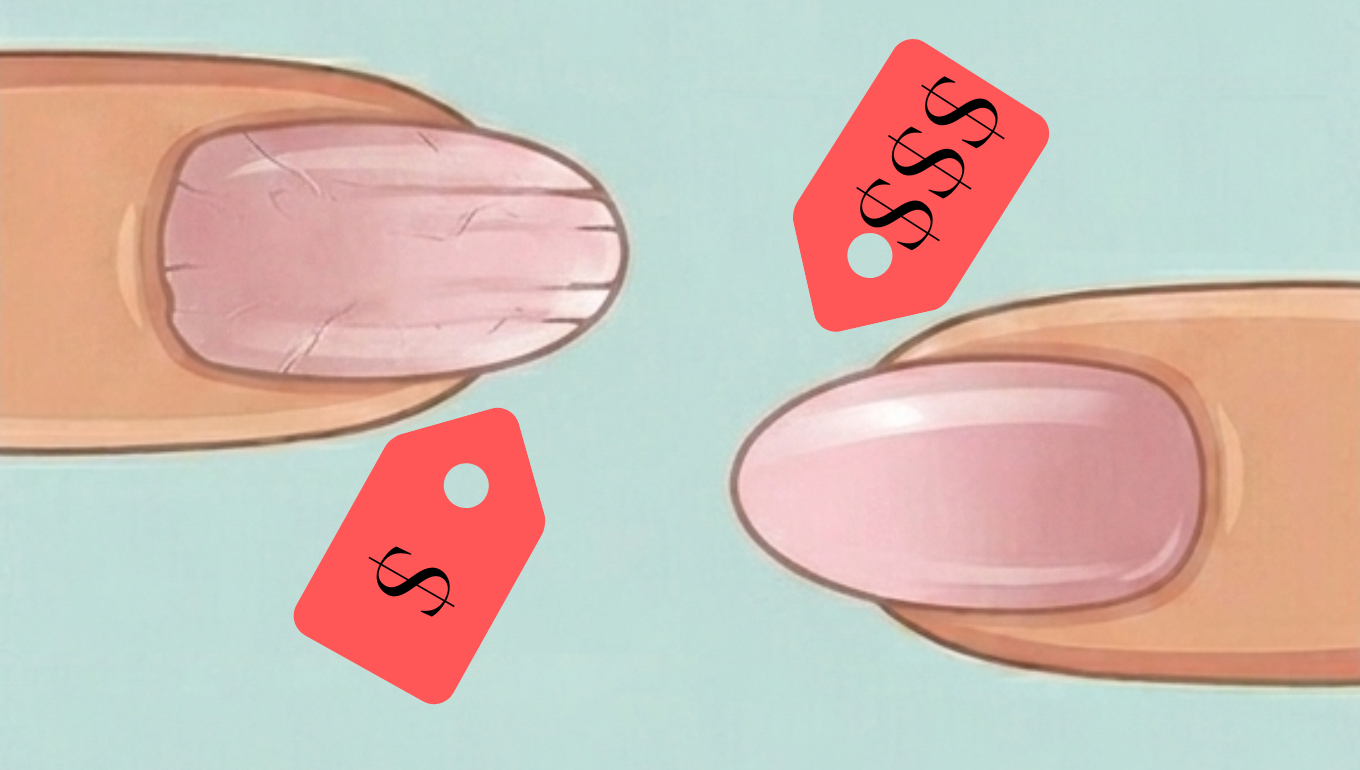
What are plastic nail tips?
Most traditional nail tips are typically made from ABS plastic and have been a staple in the nail industry for decades. They're lightweight, inexpensive to manufacture, and commonly found in mass-produced press-on nail sets sold online and in retail stores.
Plastic tips can still look greta, but they tend to be more rigid, flimsy and less flexible than gel. Because of this, they may feel less natural on the nail and can be more prone to cracking under pressure. Their lower manufacturing cost is one reason many mass-produced nail brands use them.
What are soft gel tips?
Gel tips are created from a soft gel material that more closely mimics the flexibility of a natural nail. They are lightweight, durable, and designed to move with the natural nail rather than against it. Because of their flexibility, gel tips often provide:
A more comfortable and natural feel when worn during daily activities
Better durability and resistance to cracking and splitting when properly cared for
A thinner, more natural-looking appearance
Because of these qualities, gel tips are usually the preferred choice for many professional nail artists and luxury press-on artists.
Why are gel tips more expensive?
Gel tips generally cost significantly more than plastic alternatives. The material itself is more expensive, and many professional-grade gel systems are designed specifically for salon-quality services and luxury handmade press-on nails. Unlike one-and-done plastic nail tips, soft gel nails are designed to be worn multiple times and withstand everyday wear.
What Does Talaskye Use?
At Talaskye, every set is handcrafted and exclusively uses premium, 100% soft gel tips.